
Sports betting is everywhere now, but the tax rules around it for the 2026 tax year are anything but simple. The IRS has tightened its grip, and the new OBBBA rules hit casual bettors the hardest.
All gambling winnings count as income. That means:
- Office bracket wins
- Poker night pots
- Sportsbook payouts
- That one lucky Tuesday heater
The IRS doesn’t care if your wins barely covered last week’s cold streak. Winnings are income. Losses follow different rules — and those rules just got stricter.
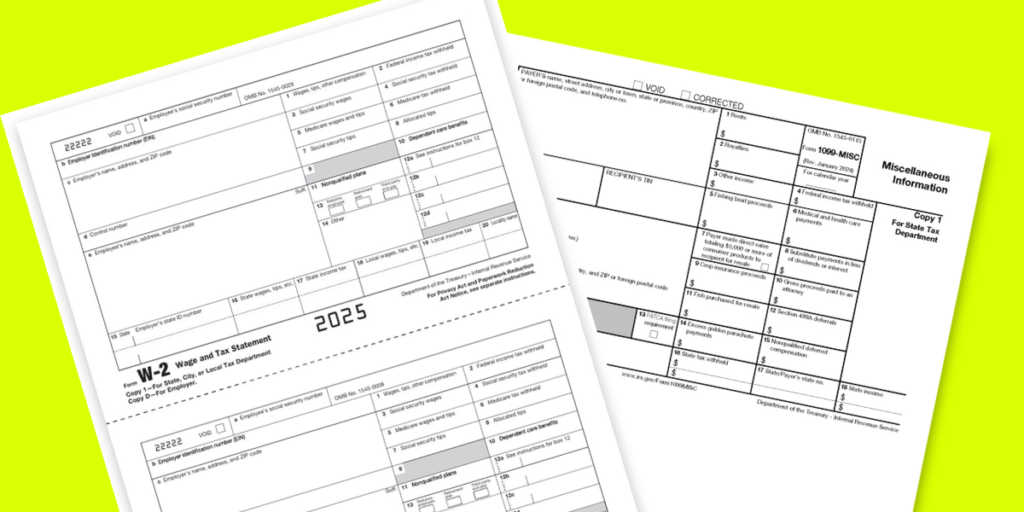
If your win is large enough, the payer must withhold 24 percent and issue a Form W-2G. But even if no form shows up, you still owe the tax.
You can deduct gambling losses, but the OBBBA has added a “haircut” to the deduction. You can deduct losses only if:
- They don’t exceed your total winnings (you can’t claim a net loss).
- You choose to itemize.
- New for 2026: You accept that your deduction is limited to 90 percent of your qualified losses.
Get more articles like this straight to your inbox 
If you win $5,000 and lose $5,000, you can no longer wash it out to zero. You can only deduct 90 percent of the loss ($4,500), leaving you with $500 of taxable income despite breaking even.
Because the 2026 standard deduction is huge ($16,100 for singles, $32,200 for married joint filers), most bettors won’t come close to beating it. That means: You pay tax on winnings with no offset for losses.
If you have enough losses to make itemizing worth it (despite the 90 percent cap), keep a log with:
- Date and type of wager
- Where you played
- People who were with you
- Exact amounts won or lost
Good logs get accepted. Vague stories don’t. Staying organized and knowing the new OBBBA limits is the only way to avoid painful surprises at tax time.